

Cloud modernization ROI comes from operating model changes
Lift-and-shift migration alone rarely delivers meaningful ROI. Real returns come when engineering process, architecture, observability, and cost governance are modernized together.
Where ROI becomes visible first
- Faster release cycles through CI/CD and environment automation
- Lower downtime with proactive monitoring and incident response
- Improved infrastructure utilization using right-sizing policies
- Reduced support overhead with standardized platform operations
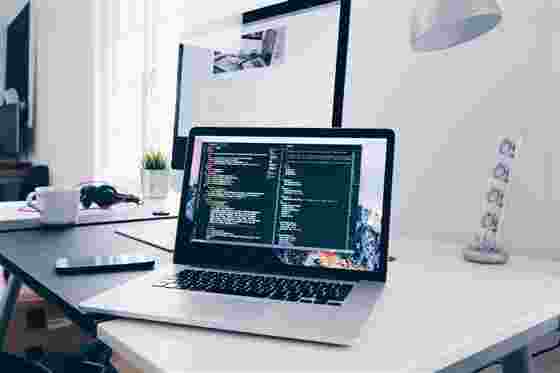
Workload prioritization matrix
Score each system by business criticality, technical debt, incident frequency, and modernization effort. Prioritize workloads with high impact and moderate complexity to show early wins.
A useful model is to separate systems into three waves: stabilization candidates, modernization candidates, and re-architecture candidates. This prevents teams from overcommitting to high-risk migrations too early.
FinOps and cost control framework
- Mandatory resource tagging by product, environment, and owner
- Budget alerts with weekly variance reporting
- Commitment planning for predictable baseline workloads
- Quarterly optimization reviews with engineering and finance
Architecture patterns that improve ROI durability
- Containerized services for consistent deployment and scaling control.
- Managed data services to reduce operational overhead and reliability risk.
- Infrastructure-as-code for repeatable environments and lower drift.
- Observability by default with centralized logs, metrics, and alerting.
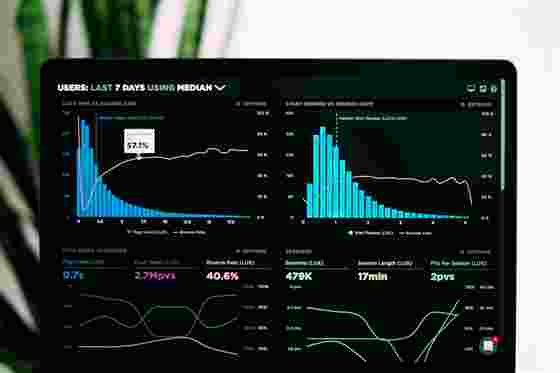
Analytics and executive reporting
Track technical and business KPIs together: deployment frequency, mean time to recovery, cloud spend per active user, and feature lead time. This helps leadership connect platform investment with product velocity and margin improvement.
Use automated monthly email reports for stakeholders so modernization progress stays transparent across engineering, product, and finance teams.
Security and compliance outcomes from modernization
Modernization should also reduce governance risk. Standardized IAM, secrets rotation, policy automation, and environment isolation improve audit readiness while lowering manual security overhead in operations teams.
Risk controls during migration
- Rollback plans and pre-defined recovery objectives
- Performance baselines before and after each migration wave
- Security validation for IAM, secrets, and network boundaries
- Change windows aligned with business critical operations
90-day modernization program template
Month 1: Assess workloads, define ROI baseline, and align engineering-finance governance.
Month 2: Modernize first candidate workload with CI/CD, observability, and policy controls.
Month 3: Optimize cost and reliability, publish measured outcomes, and plan next wave backlog.
Why many modernization programs underperform
Programs fail when architecture changes are made without release process improvements and cost governance discipline. To sustain ROI, modernization must connect platform engineering, security, and FinOps with shared success targets.
Final recommendation
Treat modernization as a measurable transformation program. When cloud, process, and cost governance evolve together, ROI becomes predictable rather than theoretical.
For a cloud ROI assessment aligned to your workloads, reach us at info@suvyaweb.com.